What to think about before upgrading your roof, siding, or other exterior features.
Exterior improvements are among the biggest investments you'll make in your home. The decisions matter.
Before you jump into a major exterior project, it's worth thinking through what you're actually trying to accomplish. Are you fixing something that's failing? Updating the look? Improving energy efficiency? The answer shapes what makes sense to do.
Exterior upgrades often have longer lifespans than you might expect. A good roof can last 20+ years. New siding might hold up for 25-30. This isn't something you'll redo frequently, so the planning phase is crucial.
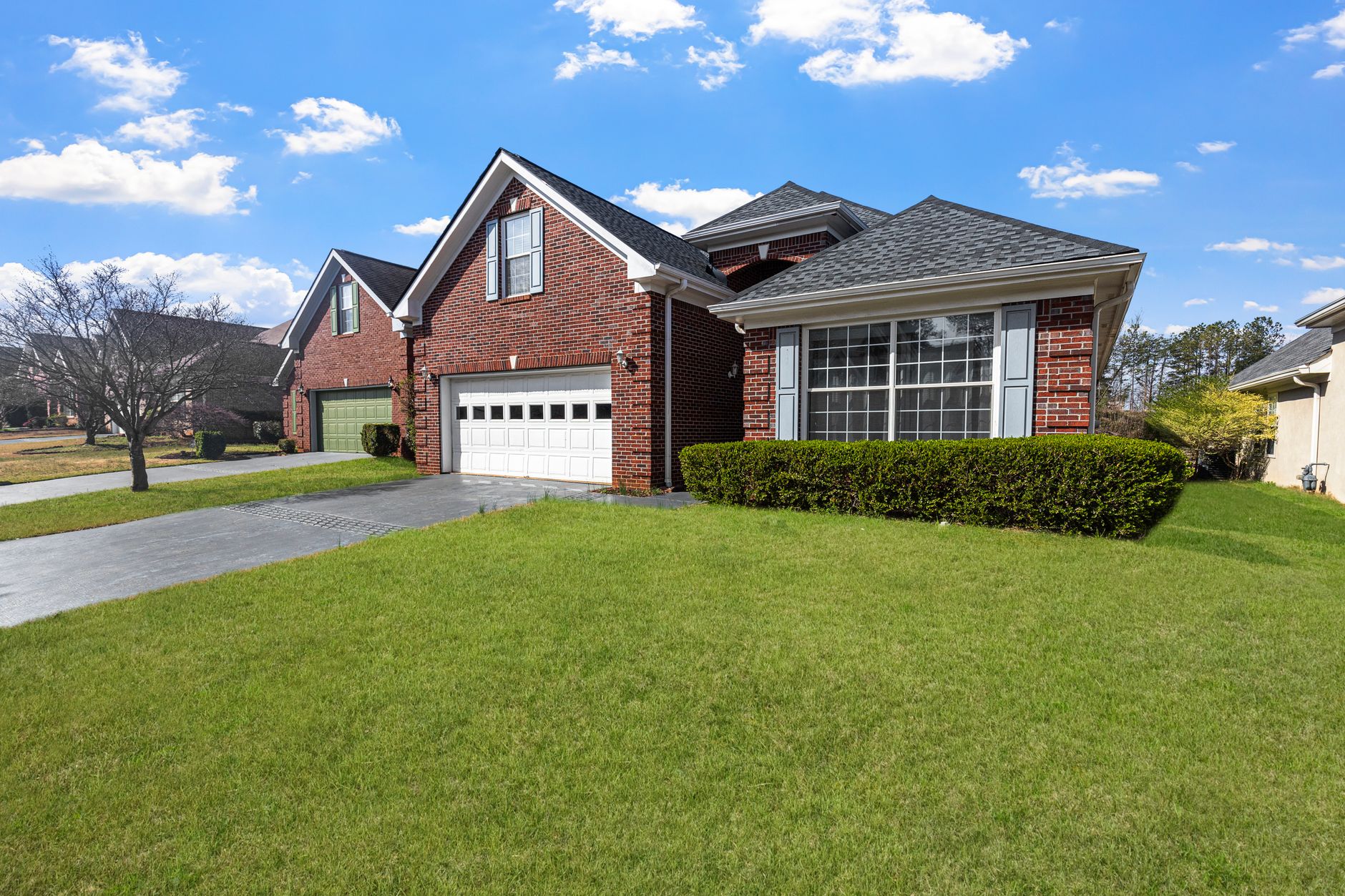
Look carefully at what you have now. Is your roof leaking? Are shingles missing or curling? Is siding cracked or rotting? Minor issues might be fixable with repairs, while widespread damage usually means replacement is the smarter long-term choice.
Material choices have real consequences—for durability, maintenance, cost, and appearance. Asphalt shingles are affordable and familiar. Metal roofing lasts longer but costs more upfront. The "right" choice depends on your climate, budget, and how long you plan to stay in the home.
Get multiple estimates before deciding. Include not just materials but labor, permits, and any unexpected issues that crop up once work starts. It's common for contractors to discover underlying damage once they start removing old materials.
Building codes, permit requirements, and HOA rules vary by location. Some upgrades need permits; others don't. Failing to get required permits can complicate things later if you sell. It's worth checking before you start.
If roofing is part of your upgrade plans, here's a helpful walkthrough of what the actual replacement process looks like from start to finish.
This gives you a realistic sense of timing, the tools involved, and how professional crews approach the work. Most roof replacements take 1-3 days depending on the size and complexity of the roof.
Once you've assessed your needs and thought through the options, the next logical step is getting professional input. A contractor can examine your roof or exterior up close, spot issues you might miss, and give you realistic numbers on what repairs versus replacement would cost.
Have you had the current system professionally inspected? If not, ask if an inspection is included in their estimate. What warranty covers the materials and labor? How long until they can start? What happens if they find additional damage during the work? Getting answers upfront prevents surprises later.
Taking time to plan saves money and prevents regret. Home exterior upgrades are significant decisions—approach them with the same care you'd give any major purchase.