Seasonal Guide

Roof & Home Maintenance Through the Seasons

New England weather demands year-round attention. Learn what to do when to protect your home's most critical system.

Year-Round Roof Care for New England Homes

Your roof works harder in New England than almost anywhere else. Spring storms bring heavy rain, summer heat stresses materials, fall leaves clog gutters, and winter ice dams threaten water damage. Knowing what maintenance matters in each season keeps your roof performing and extends its lifespan significantly.

Spring: The Critical Inspection Season

After winter's freeze-thaw cycles, spring is when damage becomes visible. Look for missing or curled shingles, and check gutters for debris that winter winds deposited. Ice dams often leave subtle water marks inside your attic — trace any staining back to its source. Trim tree branches hanging over your roof, as spring growth can accelerate moss growth in shaded areas and block water drainage.

The National Roofing Contractors Association recommends scheduling a professional inspection at least once yearly; spring is the ideal window before heavy summer rains arrive.
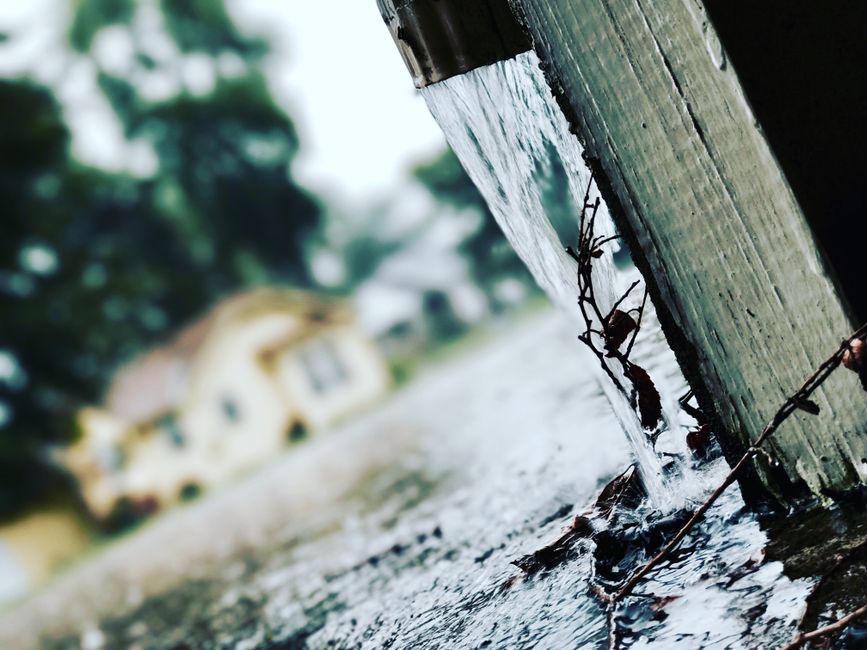
Professional gutter and roof maintenance for seasonal home care

Summer: Prevention and Early Repair

Summer heat causes roofing materials to expand, which can open seams and loosen fasteners. UV rays also degrade sealants and roof coatings. This is the best season to repair any damage found in spring while weather is predictable — getting contractors out during summer is easier than competing for fall/winter slots. Keep gutters clean as summer thunderstorms can overwhelm clogged drainage systems. Check for standing water on flat or low-slope roofs after heavy rain; pooling water accelerates deterioration and invites leaks.

Fall: Gutter Cleaning and Leaf Management

New England's beautiful fall colors mean heavy leaf accumulation on gutters and in valleys. Clogged gutters force water to back up under shingles, leading to water damage that won't show until winter. Clear gutters thoroughly at least twice during fall — once mid-season and again after leaves have fully dropped. Inspect downspouts and ensure water drains at least 4-6 feet away from your foundation. This is also a good time to schedule professional inspections before winter weather arrives, as contractors book up quickly once snow begins.

Winter: Monitoring for Ice Dams and Snow Load

Heavy snow and ice create the most dramatic stresses on roofs. Ice dams — thick ridge formations at gutters where meltwater refreezes — are the biggest winter threat, forcing water back under shingles and into your home. Attic ventilation and insulation prevent most ice dams, but if they form, removing them quickly prevents interior damage. Don't let heavy snow accumulate indefinitely; while modern roofs handle significant snow load, clearing accumulated snow after storms over 12 inches improves safety and prevents damage from the weight-stress cycle that happens when snow melts and refreezes repeatedly.

Did You Know?

Roofing material affects how much heat your home gains or loses each season. The Cool Roof Rating Council maintains an independent database of roofing products rated by seasonal energy performance. Lighter-colored or reflective roofing materials can reduce cooling costs in summer while still providing winter performance.

Roof Maintenance Video Guide

Watch this comprehensive guide on maintaining your roof and maximizing its lifespan through proper seasonal care.

Create Your Seasonal Maintenance Plan

Consistent, season-appropriate maintenance prevents most common roofing problems. Document what you find during inspections and schedule repairs promptly. When DIY maintenance reveals significant damage or you're unsure about a repair, bring in professionals who understand New England's unique weather demands.

Learn When to Hire a Professional